

Cultivating Classical Habits at Home
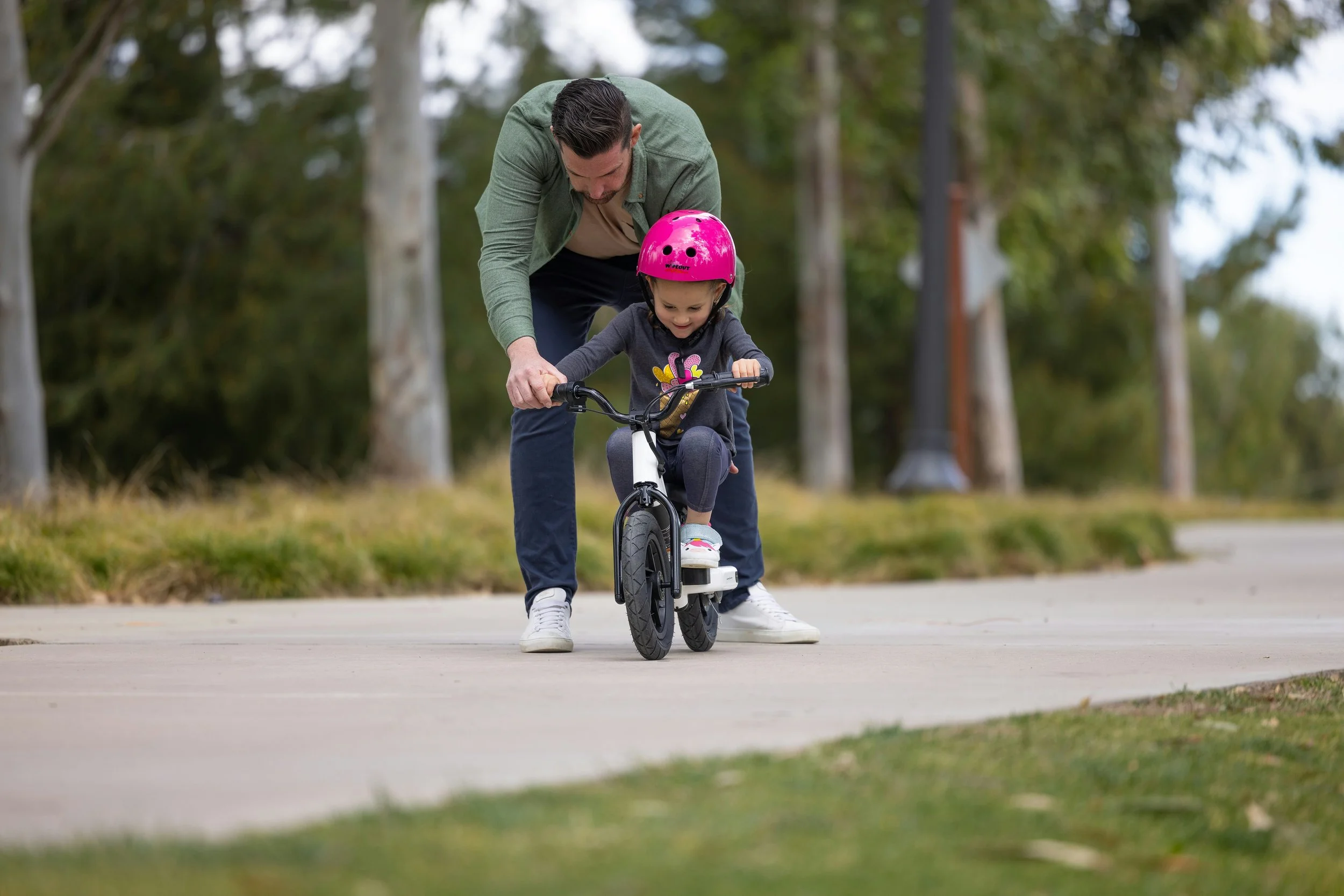
Do you remember learning to drive? How much thought and attention it required? Every single action required conscious thought:
Put on your seatbelt.
Start the car.
Shift into gear.
Check your mirrors and blind spots.
Signal.
Ease onto the road.
Who has the right of way?
And all of it with your mom or dad in the passenger seat, bracing themselves at every small mistake you made.
Fast forward to today. You drive without narrating each step to yourself. Your hands move instinctively. Your eyes check mirrors without being told. What once required intense concentration has become second nature. (Honestly, when you think about it, it’s a little unsettling how much we can do without thinking.)
This is the power of habit.
At Asbury Classical School, we place great emphasis on cultivating strong spiritual, academic, and social habits. Ultimately, because the things we do over and over again will shape who we become and what we love. What requires careful thought and intentional effort now will, over time, become second nature to us. The following is a list of habits that we seek to develop in our students at ACS—habits that you, as parents, can easily practice and implement at home.
The Habit of Reading Scripture, Praying, and Singing
I know. This is one of those things that is said so frequently that it tends to lose its power—but it matters. It also doesn’t take long! Developing the habit of reading Scripture, praying, and singing a hymn takes just 5 minutes at the dinner table or before bedtime. This is how the faith gets passed down to the next generation. This is a generational habit that, if cultivated during the first eighteen years of life, will likely be passed along naturally to your grandchildren.
The Habit of Attention
Attention is a hot commodity. Everyone and everything is trying to get it from you and your children. The problem is that a person can only give their attention to one thing at a time, and that length of time is growing shorter, not longer. Multitasking is a myth. In fact, what feels like multitasking is really your brain switching back and forth between tasks. It’s actually bad for training attention and focus. Here are some easy (and fun) ways to practice attention:
Limit screen time. Excessive screen time and video game use reduce attention span.
Give your child multi-step tasks to complete every day. “Go upstairs to your bedroom, open the top dresser drawer, and pick out a t-shirt. Then go to the bathroom and brush your teeth. Then come back here and show me.” Keep it simple for young children and more complex for older kids.
Read a book to your child, then have them narrate back to you what the book was about.
Study a picture or have your child look out the window, then ask them to tell you from memory everything they saw. Kids love this game.
Require your child to look you in the eyes when talking. If you’re talking and they’re looking somewhere else, they’re not paying attention.
The Habit of Joyful Obedience
First time obedience. All the way, the right way—and with a happy heart. No counting to 10. Delayed obedience is just disobedience in disguise. Like anything else in life, obedience is a skill that requires practice. (And some children require more practice than others.) Keep in mind that the joyful part is often lacking when children are learning obedience. That’s ok. Focus on the consistency of obedience, and the happy heart will come later. Authority figures like parents and teachers have the child’s best interests in mind, even if the child views cleaning up their space as a cruel and unusual punishment. Adults understand that with obedience and discipline comes tremendous freedom; it takes time for children to learn this.
The Habit of Manners
At ACS, we practice a new manner each week of the school year. We start the year simply with “Greet people joyfully” and “Look people in the eyes when you speak to them.” By the end of the year, students practice basic table etiquette: “Place a napkin in your lap when you sit down and use it politely during a meal.” We teach students that “Yes, ma’am” and “Yes, sir” are the proper ways for children to respond to adults. Adults are always addressed as “Mr.” or “Mrs.” followed by their last name.
The Habit of Orderliness
Before creation, Genesis describes the universe as “formless and void.” The Hebrew phrase here is tohu va-vohu and literally means “chaos” or “utter waste.” It’s out of this chaos that God brings order, structure, and rhythm to the universe. 1 Corinthians 14:33 reminds us, “For God is not a God of disorder but of peace.” We can teach children the habit of orderliness in small, tangible ways. Returning dirty dishes to the kitchen after dinner, pushing in your chair, putting away toys after playtime, and giving everything in the home a designated place—backpacks, shoes, library books, laundry—are all ways to restore order. Children cannot maintain order if there isn’t a clear standard of where things belong or how things should be. It’s much easier and more efficient for parents to do these things for their children, but it’s far less formative.
The Habit of Serving Others
The human condition is naturally inclined toward self-interest. It requires practice to notice others and to put their needs above your own. By intentionally serving family, friends, classmates, and even strangers, children learn empathy, patience, and generosity. Small acts like sharing a toy or helping with chores are a great start. Have your child ask their sibling what they want to play and then do that thing. Have older siblings serve dinner to younger siblings. Serve with your kids at church. Over time, service moves from something done reluctantly to a natural expression of love.
The Habit of Working Hard and Doing Your Best
Children are capable of far more than we give them credit for. In fact, we shortchange children by not expecting much from them. When we set high, yet attainable, expectations and encourage effort over perfection, children learn the value of diligence and persistence. When faced with two choices, a harder one and an easier one, the harder one is almost always the right choice. However, people naturally want to take the path of least resistance. An attitude of “what’s the bare minimum I have to do?” or “that’s good enough” will seriously hinder the potential of a student. At ACS, we tell students that working hard and doing their best is how we honor God and our parents.
Habits are the invisible architecture of life. As the old saying goes, “First we make our habits, then our habits make us.”
Toward a life lived in Christ,
Chris Breiland, Head of School