


The Odyssey and Authorial Intent
This reflection on Christopher Nolan’s The Odyssey explores the challenges of adapting a great book to film and the importance of authorial intent. More than a movie review, it considers why careful readers must first seek to understand what an author intended to communicate before interpreting, critiquing, or adapting a text.
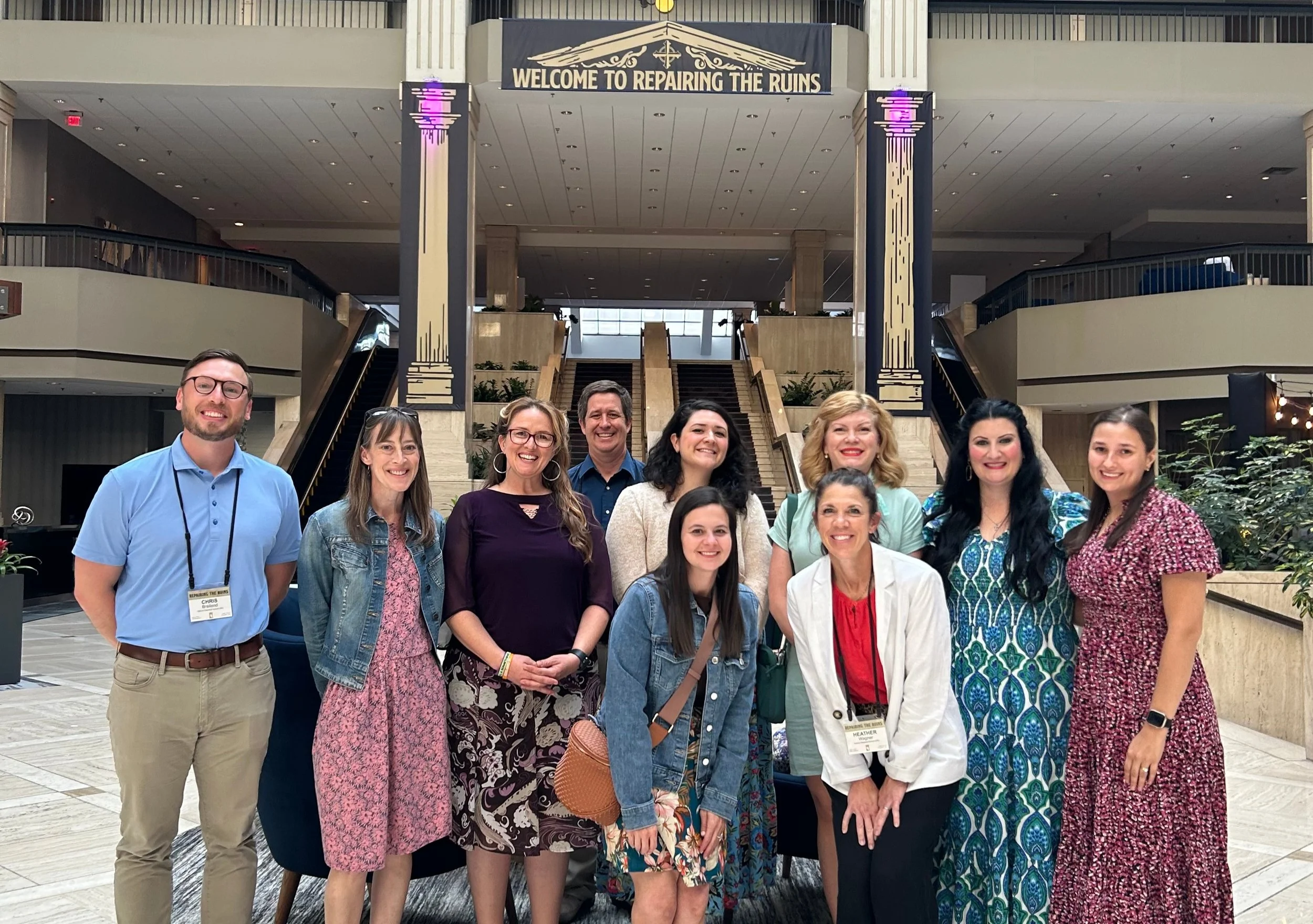
Repairing the Ruins 2026, Atlanta
Summer may look quiet from the outside, but behind the scenes it’s one of our busiest—and most important—seasons. From preparing classrooms and curriculum to investing in our faculty at the ACCS Repairing the Ruins Conference, we’re already hard at work getting ready for another year at Asbury Classical School.
In this month’s blog, I share three takeaways from the conference, why I’m more convinced than ever of the need for classical Christian education, and why I can’t wait for our students to return.

The Next Class Divide: Kids Who Grew Up on Screens vs. Kids Who Didn’t
As schools and families have shifted from physical books to screens over the past decade, concerns have emerged about the long-term effects on students’ attention, memory, and comprehension. Since digital tools became standard in schools, research and classroom trends increasingly point to tradeoffs in deep learning and cognitive development. This article explores how screen-based learning may be shaping student outcomes and considers the growing divide between screen-based childhoods and more traditional, low-tech upbringings.
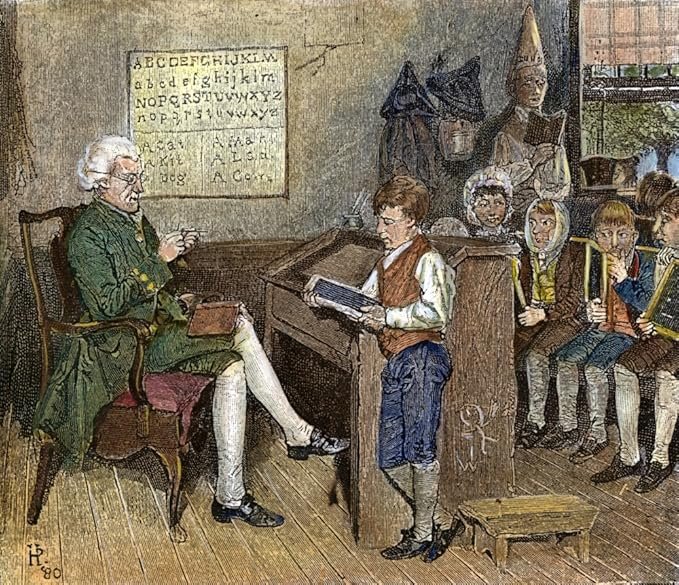
The Old Deluder Satan Act: Why You Shouldn’t Squander Your Literacy
Before tests, college applications, and career readiness, the Puritans in colonial New England had a singular goal: teach children to read the Bible. The 1647 Old Deluder Satan Act made literacy a moral imperative, warning that ignorance leaves people vulnerable to error and corruption. Today, functional literacy is global, but deep comprehension is rare. True literacy remains a gift to cultivate, not squander.

Cultivating Classical Habits at Home
What begins with effort becomes second nature. The habits we practice each day quietly shape who our children become, forming their minds, their character, and ultimately what they love.
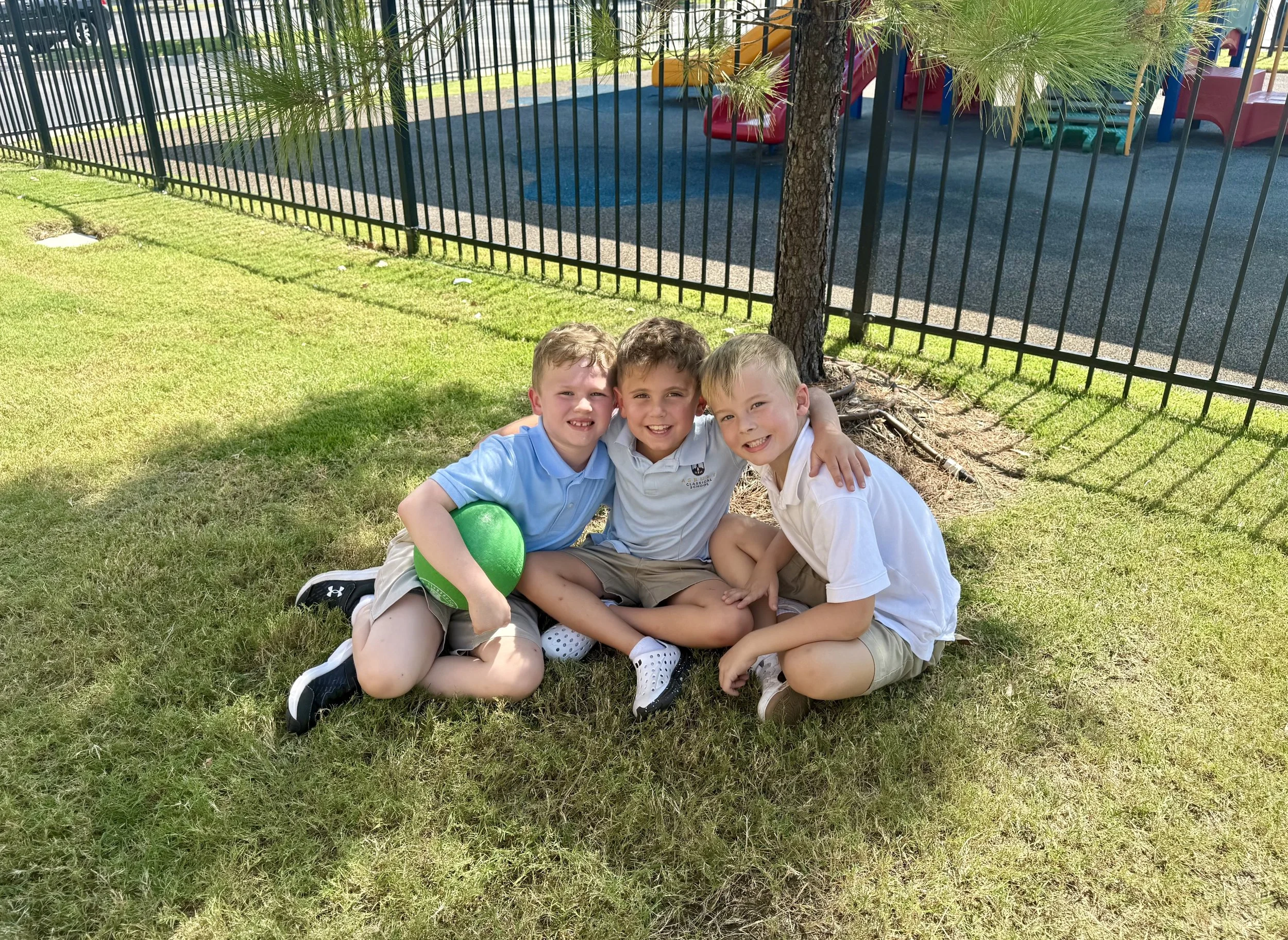
Do You Know Families That Would Thrive at ACS?
The right school fit matters. Families who thrive at ACS share a vision for formation, partnership, and a life shaped by faith. Choosing a school is not just about academics, but about shared values and direction.
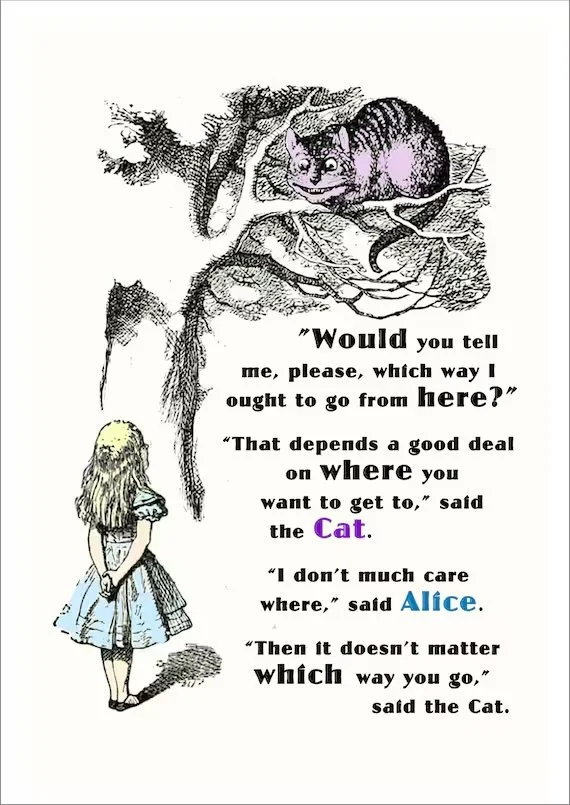
The Age 18 List
Parenting with intention begins by keeping the end in mind. The “Age 18 List” helps families move from reacting in the moment to raising children with purpose, clarity, and a vision for who they are becoming.
Come, Thou Long Expected Jesus!
Advent teaches us to wait with hope. In Come, Thou Long-Expected Jesus, we are reminded that the deepest longings of the human heart are met not by striving, but by Christ alone.
“It’s 10 PM. Do You Know Where Your Children Are?”
We know where our children are today, but are we preparing them for where they’re going? By allowing healthy risk, responsibility, and the chance to do hard things, we form children who are resilient, faithful, and ready to step confidently into God’s world.
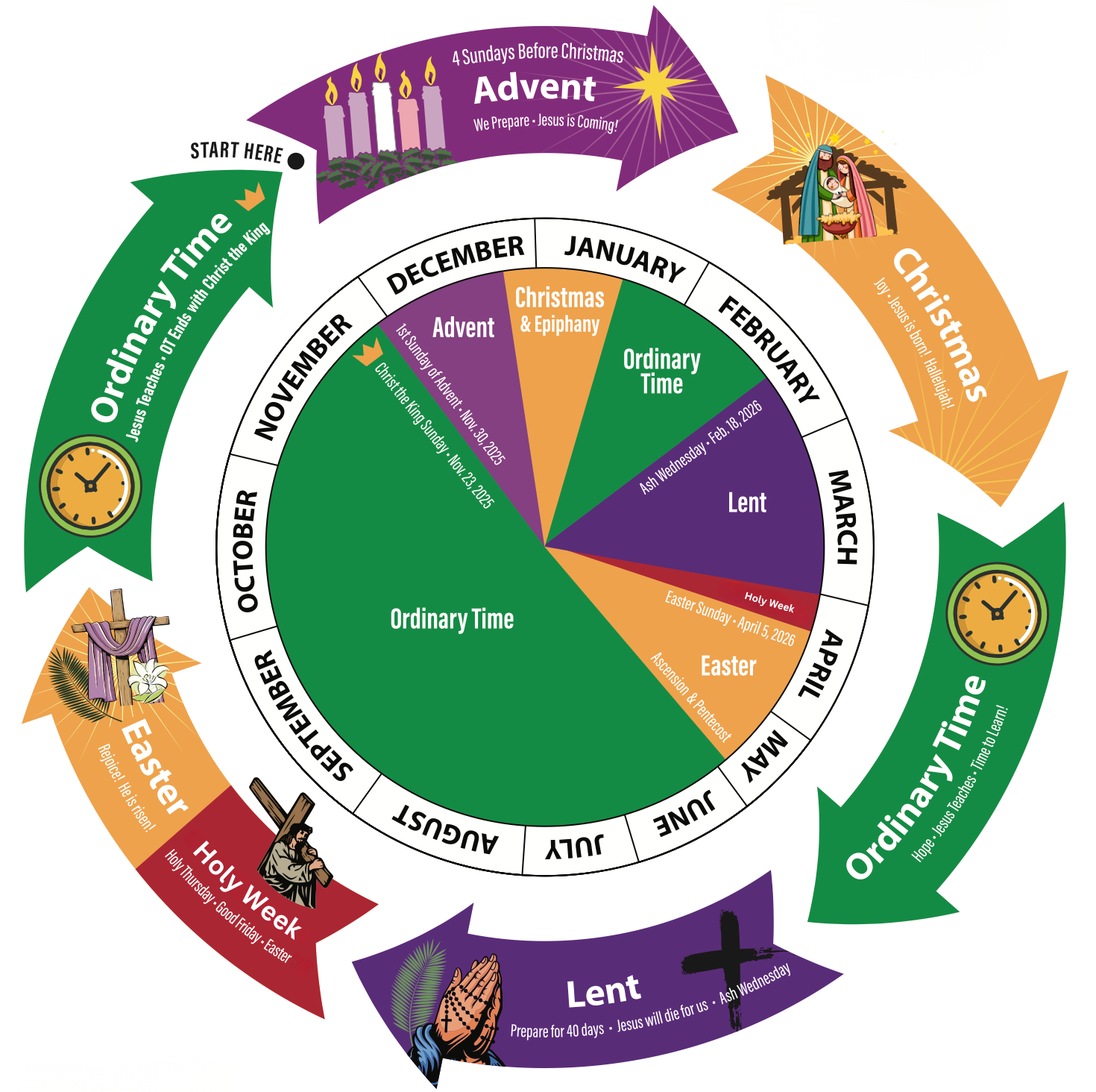
The Communion of Saints
God ordered time as a gift, and the Church calendar helps us live within His story of redemption. Through rhythms like All Saints’ Day, we remember the faithfulness of those who came before us and invite our children to see their lives as part of God’s ongoing work.
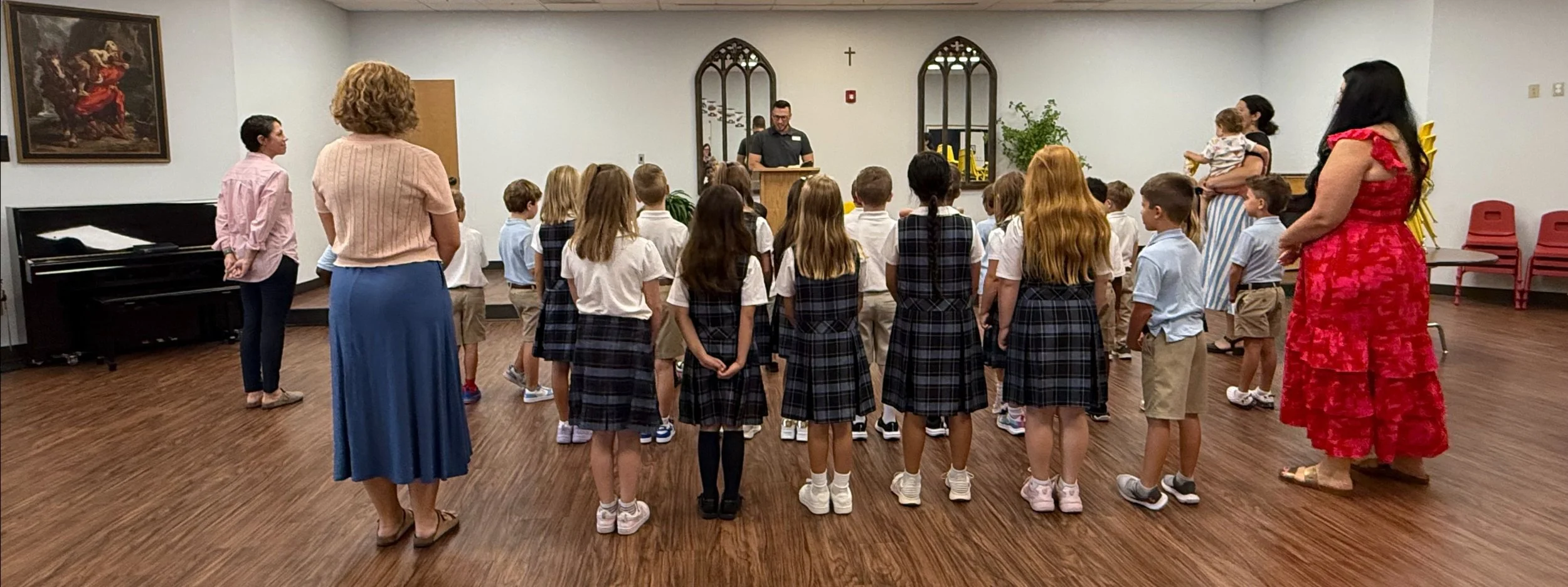
Repetitio Mater Memoriae
What we do repeatedly shapes what we love. Our weekly liturgy is more than routine—it forms habits, anchors truth, and trains hearts toward the good, the true, and the beautiful.
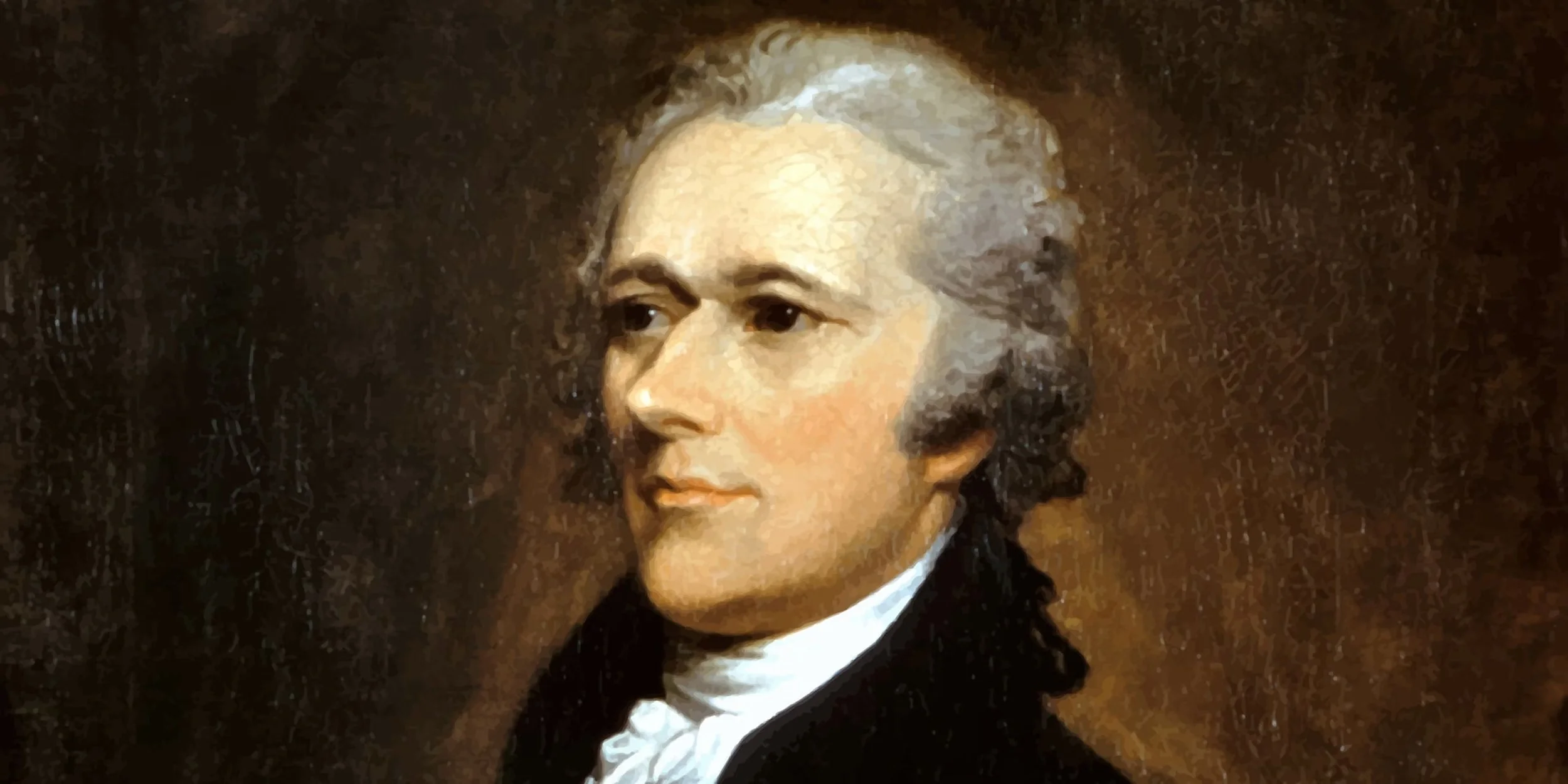
Alexander Hamilton and Resurrecting the Dead…Languages
Alexander Hamilton’s story reminds us that classical education forms more than knowledge, it builds discipline, clarity, and grit. Through Latin and Greek, students gain the tools to think deeply, understand language, and engage the world with wisdom and precision.
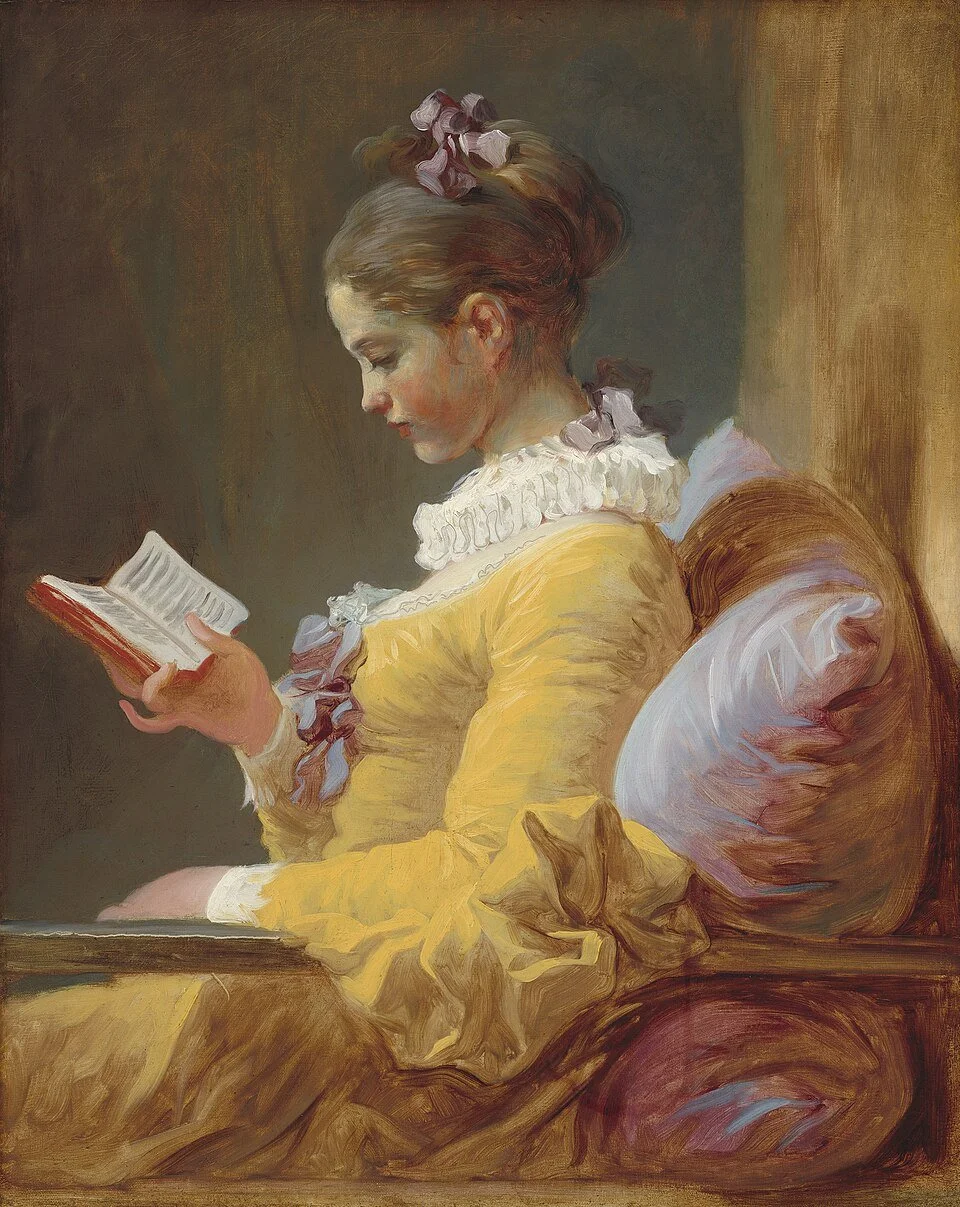
The Best Teacher is a Good Book
Great books are not just old—they are enduring teachers. They help children slow down, think deeply, and engage with the timeless questions of truth, beauty, and virtue. In a digital world, cultivating a love of reading equips students to grow in intellect, imagination, and character.

Order Out of Chaos
God brings order out of chaos, and our homes can reflect that same rhythm and purpose. Through intentional family routines such as meals, prayer, chores, and Sabbath rest, we model His peace and presence, showing children how ordinary moments become opportunities for worship and formation.
Generalists Before Specialists
In a world focused on early specialization, Asbury Classical School forms generalists first—students who think deeply, speak clearly, and live wisely.

Nothing is Neutral
Every choice we make as parents shapes our children. Saying yes to every good thing may mean saying no to what matters most. Education is never neutral—home, school, and church must work together to form hearts and habits that reflect the values we want our children to love and pursue.
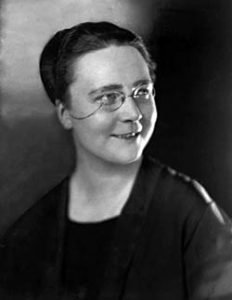
The Lost Tools of Learning
Dorothy Sayers sounded the alarm in 1947: schools were teaching facts, but not teaching students how to think. Her solution was a return to the Trivium—grammar, logic, and rhetoric. That single lecture helped spark the modern revival of classical education, guiding generations of schools to pursue wisdom, virtue, and a genuine love of learning—not merely higher test scores.

You Are What You Love
Humans are not merely thinking beings—we are loving beings. What we love, practice, and give our time to shapes our hearts and lives far more than what we merely know. School and home life alike must form affections, not just minds.
Get Wisdom
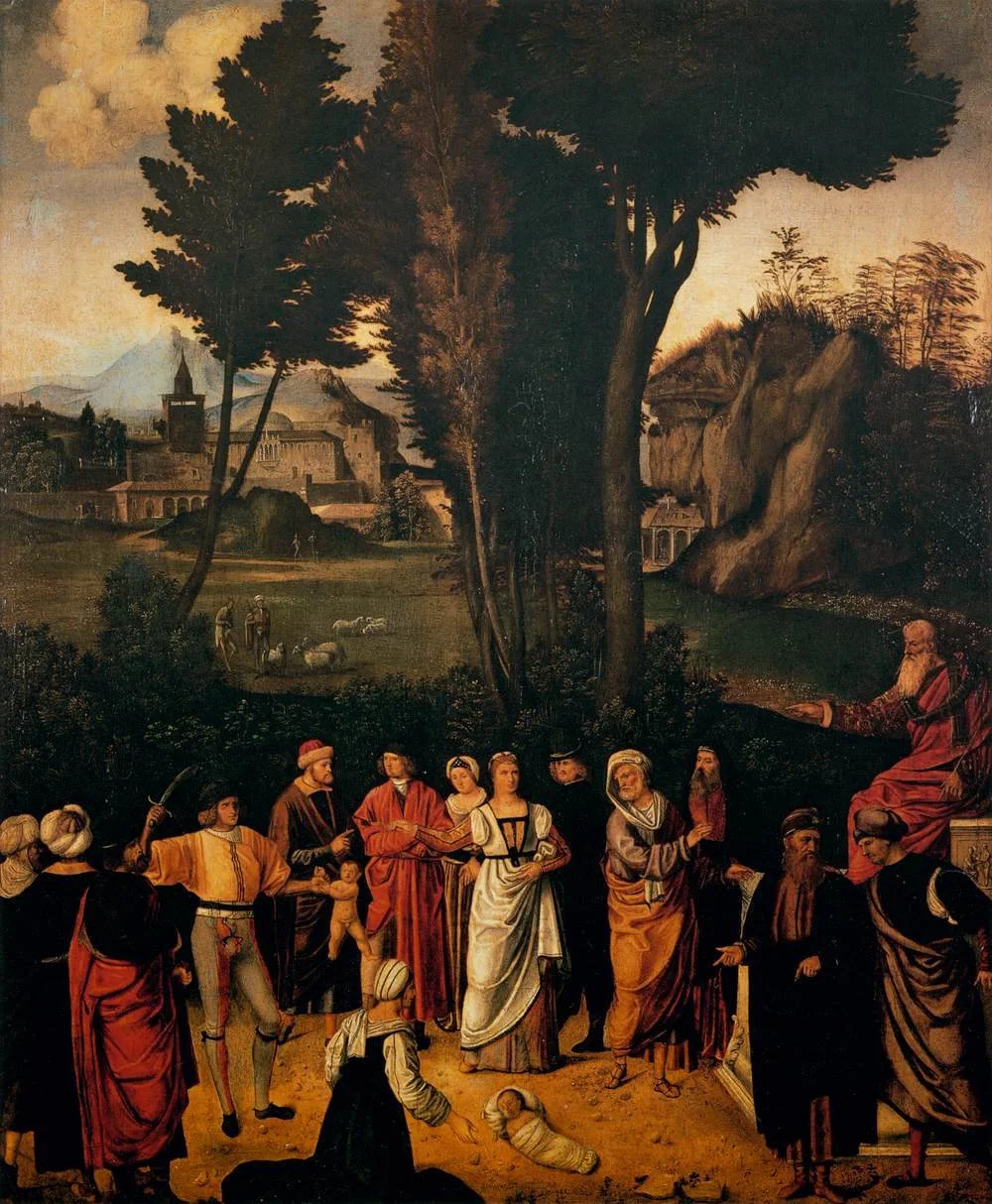
True education is more than facts or test scores; it’s the pursuit of wisdom. Solomon asked God not for wealth or power, but for discernment to live rightly, and God honored it. Learning that shapes the heart as well as the mind is the goal of a truly excellent education.
What is School?
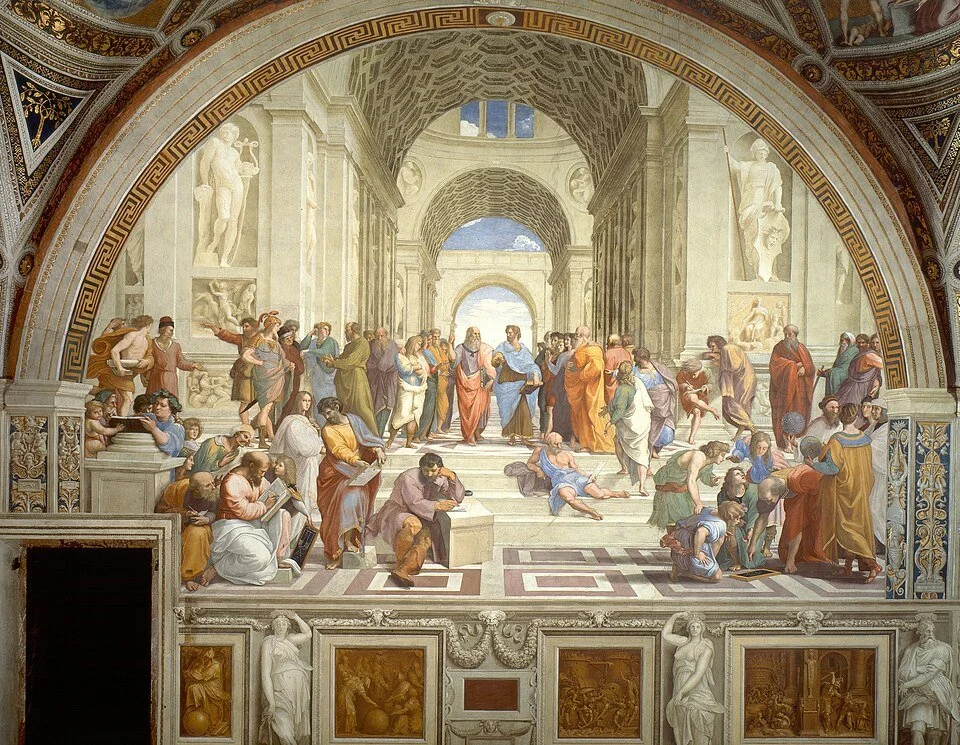
School wasn’t always about job training. It once meant scholē—leisure devoted to truth, wonder, and the contemplation of God. Classical Christian education seeks to recover that vision in a world that traded wisdom for efficiency.